
Introduction
You’ve probably heard about Korean skincare — the glowing skin, the countless products, the famous 10-step routine. It can feel overwhelming at first, especially if you’re new to skincare.
But here’s the truth: Korean skincare doesn’t have to be complicated.
At its core, Korean skincare is about consistency, gentle care, and understanding what your skin actually needs. You don’t need ten products to get started. You don’t need to spend hours in front of the mirror. And you definitely don’t need to buy everything at once.
In this guide, I’ll break down Korean skincare in a simple, practical way — so you can build a routine that works for you, even if you’re a complete beginner.
What Makes Korean Skincare Different?
Before diving into products and steps, it helps to understand the philosophy behind Korean skincare.
Prevention over correction. Korean skincare focuses on maintaining healthy skin rather than fixing problems after they appear. This is why sunscreen and hydration are treated as essentials, not extras.
Gentle and layered. Instead of using one strong product, Korean routines often use multiple lightweight layers. This allows your skin to absorb ingredients gradually without irritation.
Skin first, makeup second. In Korea, healthy skin is considered the foundation of beauty. Many people invest more in skincare than makeup because the goal is to need less coverage, not more.
This approach takes time to show results, but it’s sustainable and kind to your skin in the long run.
The Basic Korean Skincare Routine (5 Steps)
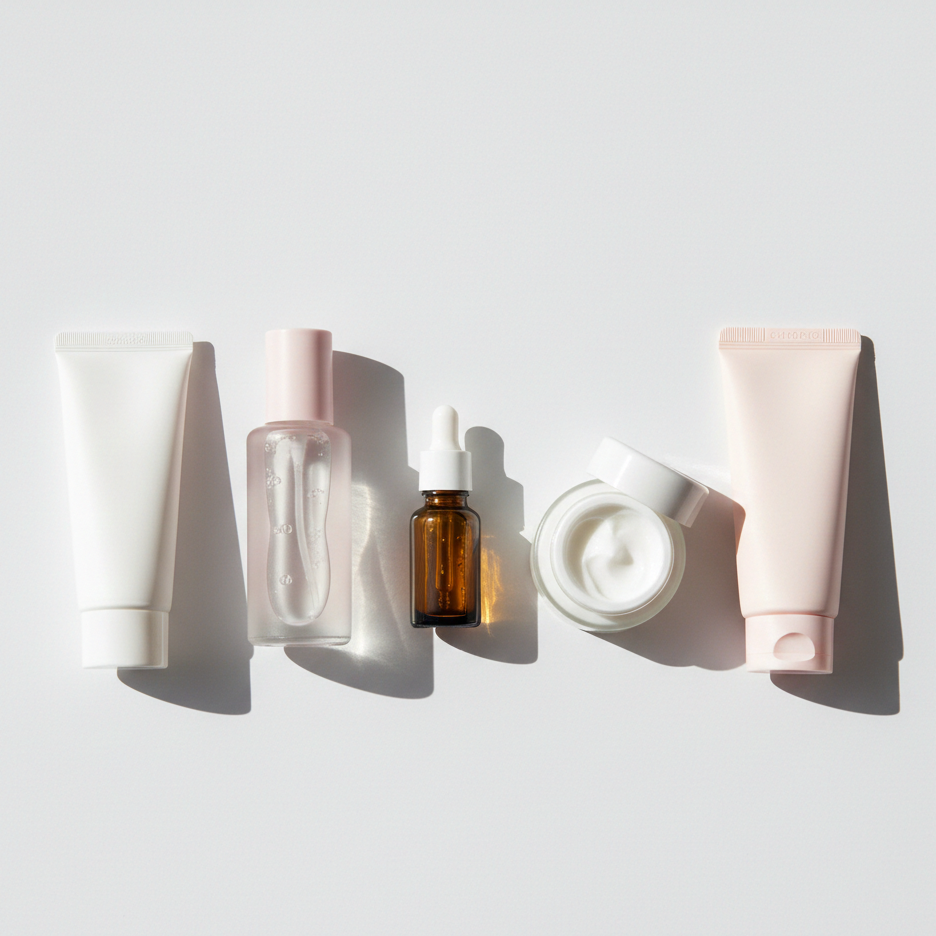
Forget the 10-step routine for now. If you’re just starting out, these five steps are all you need.
Step 1: Cleanser
Cleansing removes dirt, oil, and sunscreen from your skin. In the morning, a gentle water-based cleanser is enough. At night, you may want to double cleanse — first with an oil-based cleanser to remove makeup and sunscreen, then with a water-based cleanser to clean your skin.
Look for cleansers with a low pH (around 5.5) to keep your skin barrier healthy. Avoid products that leave your face feeling tight or squeaky — that’s a sign they’re too harsh.
Step 2: Toner
Korean toners are different from Western astringent toners. They’re typically hydrating and help prepare your skin to absorb the next steps.
After cleansing, apply toner to your face using your hands or a cotton pad. Pat it gently into your skin instead of rubbing.
Step 3: Serum or Essence
This step targets specific skin concerns. Serums and essences contain concentrated ingredients that address issues like dullness, uneven skin tone, or dehydration.
If you’re not sure where to start, a simple hydrating essence with hyaluronic acid is a safe choice for most skin types.
Step 4: Moisturizer
Moisturizer locks in all the previous layers and keeps your skin hydrated throughout the day or night. Choose a lightweight gel or lotion for oily skin, or a richer cream for dry skin.
Even if your skin feels oily, don’t skip this step. Dehydrated skin can actually produce more oil to compensate.
Step 5: Sunscreen (Morning Only)
Sunscreen is the most important step in any skincare routine. It protects your skin from UV damage, which causes premature aging, dark spots, and other long-term issues.
Apply sunscreen every morning as the last step of your routine, even on cloudy days or when staying indoors. Korean sunscreens are known for their lightweight textures that absorb quickly without leaving a white cast.
Morning vs Night Routine
Your routine doesn’t need to be the same in the morning and at night.
Morning Routine (Focus: Protection)
- Cleanser (water-based, gentle)
- Toner
- Serum or Essence (optional)
- Moisturizer
- Sunscreen
Night Routine (Focus: Repair)
- Oil Cleanser (to remove sunscreen and makeup)
- Water-based Cleanser
- Toner
- Serum or Essence
- Moisturizer (can use a richer formula at night)
At night, your skin repairs itself while you sleep, so this is a good time to use active ingredients or treatments. In the morning, keep it simple and focus on hydration and sun protection.
Common Mistakes Beginners Make
Starting a new skincare routine is exciting, but it’s easy to make mistakes that can slow your progress or even damage your skin.
Using too many products at once. When you’re excited about skincare, it’s tempting to try everything. But introducing too many new products at the same time makes it impossible to know what’s working — or what’s causing a reaction. Add one new product at a time and wait at least two weeks before adding another.
Expecting instant results. Skincare is a long game. Most products take four to six weeks to show visible results. Some ingredients, like retinol, can take even longer. Be patient and consistent.
Skipping sunscreen. I can’t stress this enough. Without sunscreen, all your other skincare efforts are compromised. UV damage is cumulative and largely invisible until years later.
Over-cleansing. Washing your face too often or using harsh cleansers strips your skin of natural oils. This can lead to dryness, irritation, and even more breakouts. Twice a day is enough for most people.
Ignoring your skin type. A routine that works for someone else might not work for you. Pay attention to how your skin reacts and adjust accordingly.
How to Know Your Skin Type
Understanding your skin type helps you choose the right products.
Oily skin produces excess sebum and often looks shiny, especially in the T-zone (forehead, nose, chin). Pores may appear larger.
Dry skin feels tight, rough, or flaky. It may look dull and is prone to fine lines.
Combination skin is oily in some areas (usually the T-zone) and dry in others (usually the cheeks).
Sensitive skin reacts easily to products or environmental factors. It may experience redness, itching, or irritation.
Normal skin is balanced — not too oily, not too dry, and generally resilient.
Most people have combination skin to some degree. Your skin type can also change with seasons, age, and lifestyle factors.
Key Ingredients to Look For
Korean skincare products often highlight specific ingredients. Here are some beginner-friendly ones to know.
Hyaluronic Acid — A powerful hydrator that holds up to 1,000 times its weight in water. Great for all skin types, especially dehydrated skin.
Niacinamide — Helps with pore appearance, uneven skin tone, and oil control. Gentle enough for most skin types.
Centella Asiatica (Cica) — A soothing ingredient that calms irritation and supports skin healing. Ideal for sensitive or acne-prone skin.
Snail Mucin — Yes, it sounds unusual, but snail mucin is deeply hydrating and helps with skin repair. It has a light, slightly sticky texture.
Green Tea — Rich in antioxidants, green tea protects skin from environmental stress and soothes inflammation.
Ceramides — These help strengthen the skin barrier, keeping moisture in and irritants out.
When starting out, focus on hydration and barrier support. You can explore more active ingredients later once your skin is comfortable with a basic routine.
Building Your First Routine: Product Recommendations
If you’re unsure where to start, here are some product types that work well for beginners. I’m not recommending specific brands here — instead, look for products with the characteristics mentioned.
Cleanser: Low pH, gentle formula, no strong fragrance. Gel or foam types work well for most people.
Toner: Hydrating, alcohol-free. Should feel light and absorb quickly.
Essence/Serum: Start with something simple like a hyaluronic acid serum or a snail mucin essence.
Moisturizer: Match to your skin type. Gel for oily skin, cream for dry skin.
Sunscreen: SPF 50+, PA++++, lightweight texture. Korean sunscreens often come in milk, essence, or gel formulas that feel comfortable under makeup.
Start with these basics and build from there as you learn what your skin likes.
How Long Before You See Results?
Skincare requires patience. Here’s a general timeline:
1-2 weeks: Your skin may go through an adjustment period. Minor breakouts or changes are normal as your skin adapts to new products.
4-6 weeks: This is when you’ll start noticing improvements in hydration, texture, and overall skin feel.
3-6 months: Deeper concerns like hyperpigmentation, fine lines, or acne scarring take longer to improve. Consistency is key.
If a product causes severe irritation, redness, or persistent breakouts, stop using it. Not every product works for every person, and that’s okay.
Final Thoughts
Korean skincare isn’t about having the most products or following the most steps. It’s about paying attention to your skin, being consistent, and treating your skin with care.
Start simple. Learn what your skin needs. And give it time.
You don’t need perfect skin to start a skincare routine — you just need to start. The rest will follow.
Quick Summary
- Start with 5 basic steps: Cleanser, Toner, Serum, Moisturizer, Sunscreen
- Introduce new products one at a time
- Sunscreen is non-negotiable
- Results take 4-6 weeks minimum
- Choose products based on your skin type
- Consistency matters more than complexity