
Introduction
One of the first questions people ask when planning a trip to Korea is: “When should I go?”
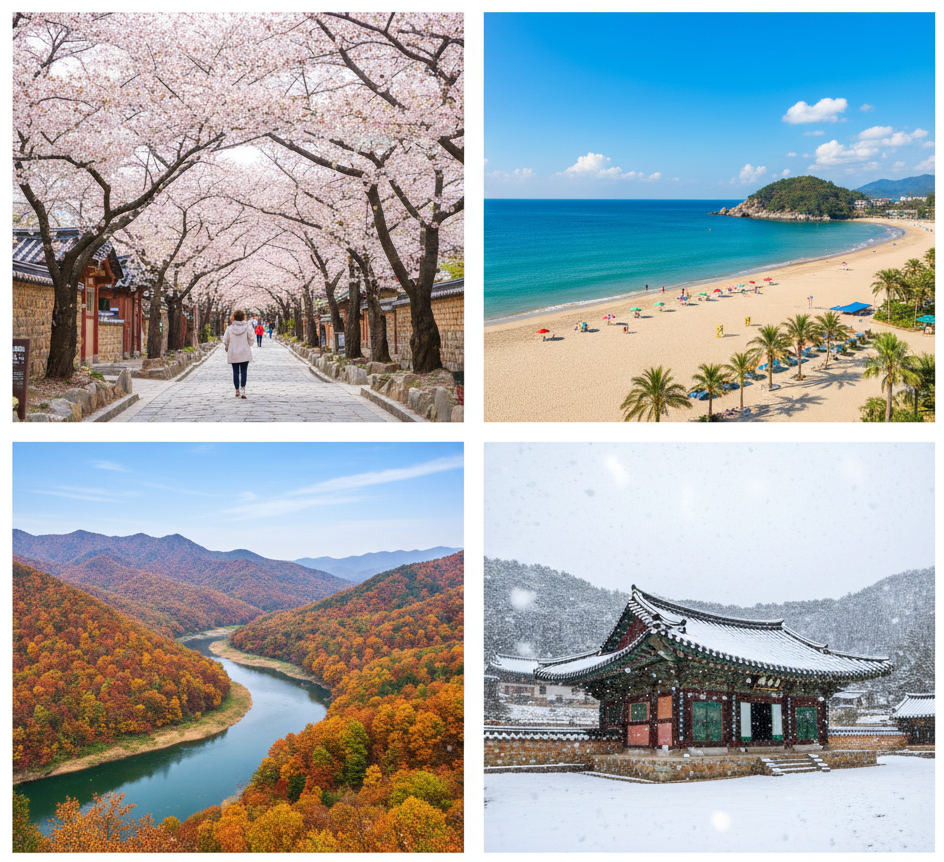
The answer depends on what you want to experience. Korea has four distinct seasons, and each one offers something completely different — from cherry blossoms in spring to snowy mountains in winter.
Choosing the right time can make a big difference in your trip. The weather, the crowds, the scenery, and even the food change depending on when you visit.
In this guide, I’ll walk you through each season, help you decide the best time for your travel style, and share my personal recommendation as a Korean who has experienced all four seasons my entire life.
Korea’s Four Seasons at a Glance
Before diving into details, here’s a quick overview:
| Season | Months | Weather | Highlights |
|---|---|---|---|
| Spring | March – May | Mild, 10-20°C | Cherry blossoms, pleasant weather |
| Summer | June – August | Hot & humid, 25-35°C | Beaches, festivals, monsoon season |
| Fall | September – November | Cool & crisp, 10-20°C | Autumn foliage, clear skies |
| Winter | December – February | Cold & dry, -10-5°C | Snow, skiing, holiday atmosphere |
Now let’s look at each season in detail.
Spring (March – May)
Spring is one of the most popular times to visit Korea, and for good reason.
Weather
The weather is mild and comfortable, ranging from 10°C to 20°C. March can still feel a bit chilly, but by April and May, it’s warm enough to walk around comfortably in a light jacket.
Highlights
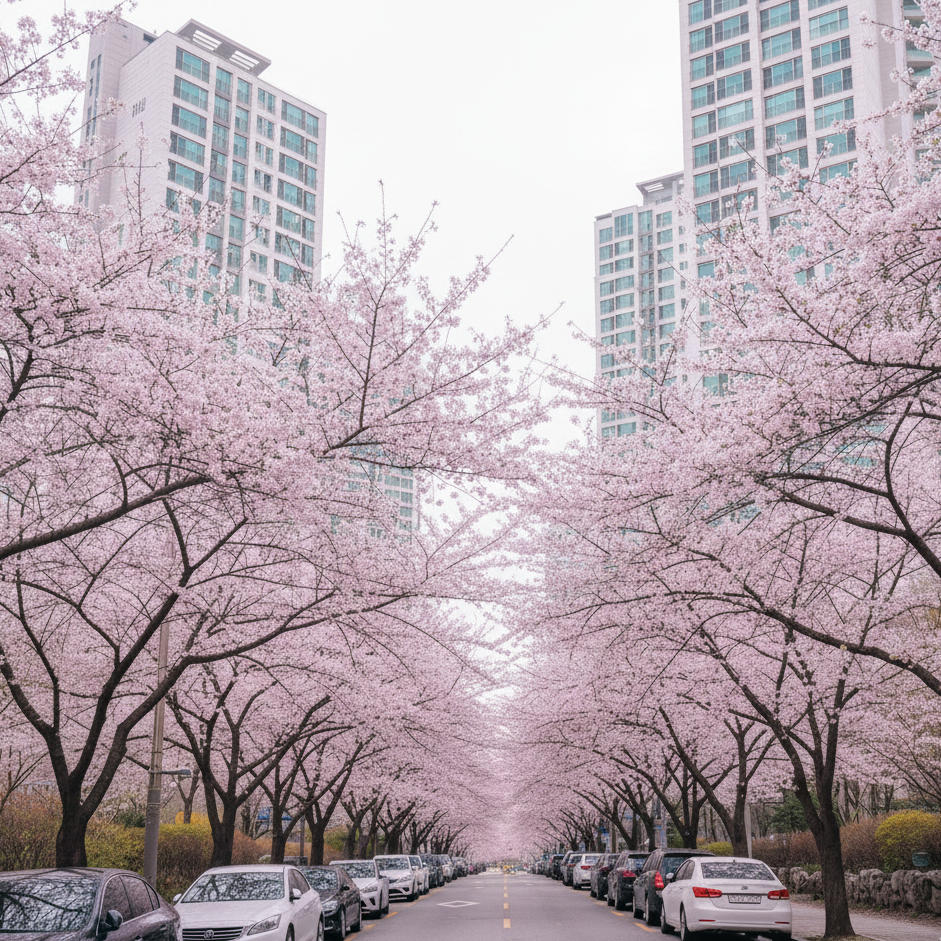
The biggest draw is cherry blossom season, which usually peaks in early April. For about two weeks, the entire country transforms into a sea of soft pink flowers. Parks, streets, and riversides are lined with blooming cherry trees, creating picture-perfect scenery everywhere you look.
Best Places for Cherry Blossoms
Yeouido in Seoul is the most famous spot, with a cherry blossom festival along the Yeouiseo-ro street. Gyeongju, the ancient capital, offers blossoms alongside historic temples and tombs. Jinhae, near Busan, hosts Korea’s largest cherry blossom festival with over 350,000 trees.
Things to Consider
Spring in Korea can bring yellow dust (황사) and fine dust (미세먼지) from China. On bad days, the sky looks hazy and air quality drops. Check the forecast and consider bringing a mask if you’re sensitive to air pollution.
Summer (June – August)
Summer in Korea is hot, humid, and intense — but it has its own charm.
Weather
Temperatures range from 25°C to 35°C, with high humidity that makes it feel even hotter. Late June through mid-July is monsoon season (장마), bringing heavy rain and occasional flooding.
Highlights
Despite the heat, summer is perfect for beach trips. Koreans flock to coastal cities like Busan, Gangneung, and Jeju Island. Summer festivals are everywhere, from music festivals to fireworks events. And nothing beats enjoying bingsu (shaved ice dessert) on a sweltering afternoon.
Best Places in Summer
Busan’s Haeundae Beach is the most famous summer destination. Jeju Island offers beautiful beaches, waterfalls, and volcanic landscapes. The east coast cities like Gangneung and Sokcho have cleaner, less crowded beaches.
Things to Consider
Late July and August are peak vacation season for Koreans. Popular destinations get extremely crowded, and prices for accommodation rise significantly. The humidity can be exhausting, especially if you’re not used to it. Plan indoor activities for the hottest parts of the day.
Fall (September – November)
Ask any Korean their favorite season, and most will say fall. It’s simply the best time of year.
Weather
The weather is cool and comfortable, ranging from 10°C to 20°C. The summer humidity disappears, replaced by crisp, dry air. The skies are deep blue and clear — perfect for outdoor activities.
Highlights
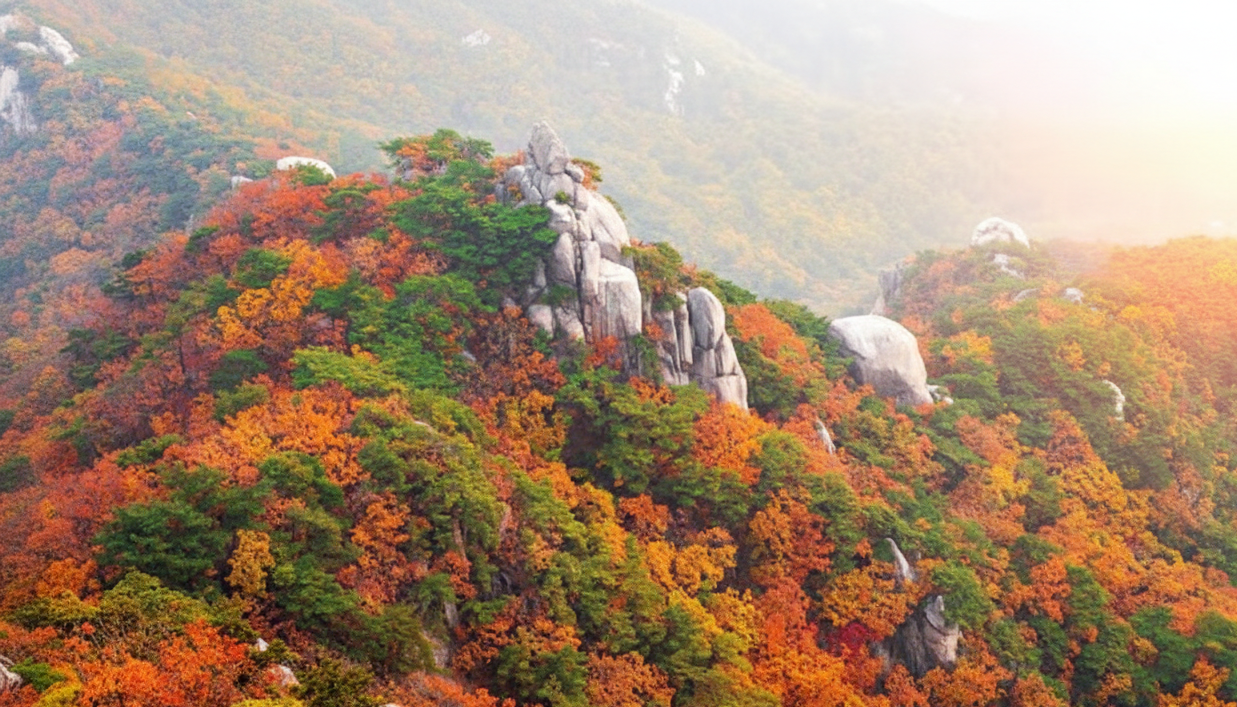
Fall foliage is the main attraction. From mid-October to early November, Korea’s mountains explode with red, orange, and yellow leaves. It’s a breathtaking sight that draws visitors from around the world.
Best Places for Autumn Foliage
Seoraksan National Park in Gangwon Province is considered the most beautiful spot for fall colors. Naejangsan National Park in the south is famous for its tunnel of maple trees. Even in Seoul, places like Gyeongbokgung Palace and Namsan Tower offer stunning autumn scenery.
Things to Consider
Fall is peak tourist season. Popular hiking trails and tourist spots can get very crowded, especially on weekends. Book accommodation early and try to visit on weekdays if possible.
Winter (December – February)
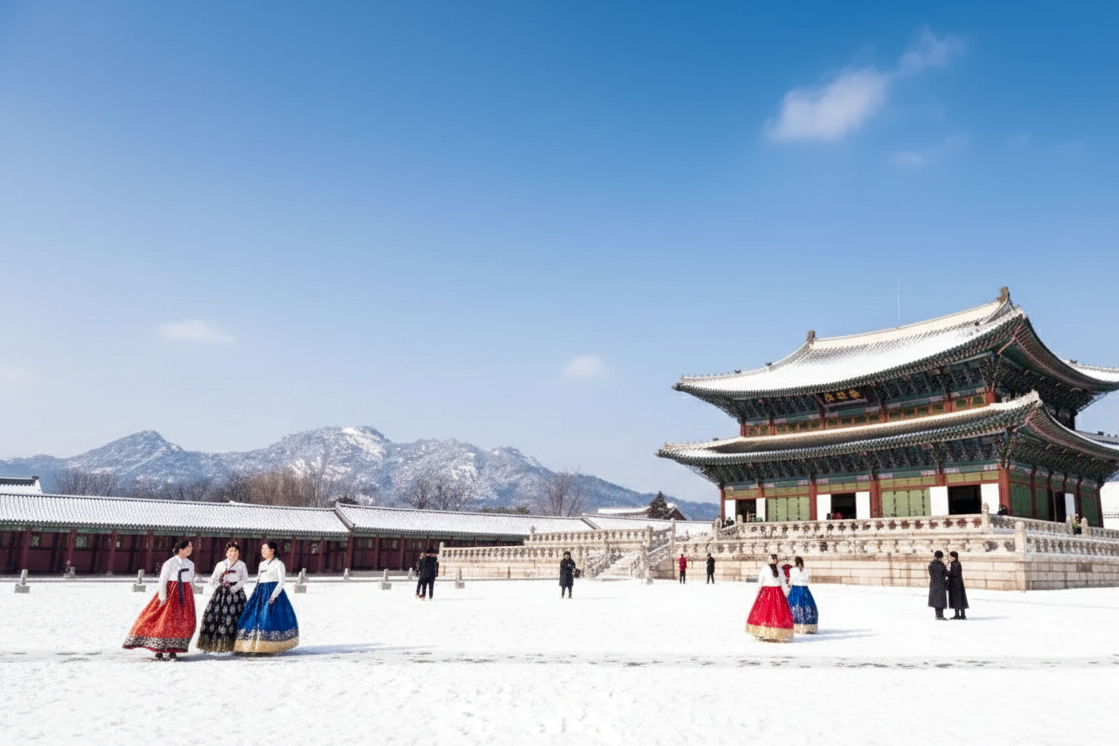
Korean winters are cold and dry, but they offer unique experiences you won’t find in other seasons.
Weather
Temperatures range from -10°C to 5°C, with January being the coldest month. Snowfall is common, especially in mountainous areas. The cold is dry rather than damp, which makes it more bearable than you might expect.
Highlights
Winter is perfect for skiing and snowboarding. Korea has excellent ski resorts, many just a few hours from Seoul. The holiday atmosphere in December is magical, with Christmas lights and markets throughout the city. Winter food — like hotpot, Korean fried chicken with beer, and street food from pojangmacha stalls — tastes even better in the cold.
Best Places in Winter
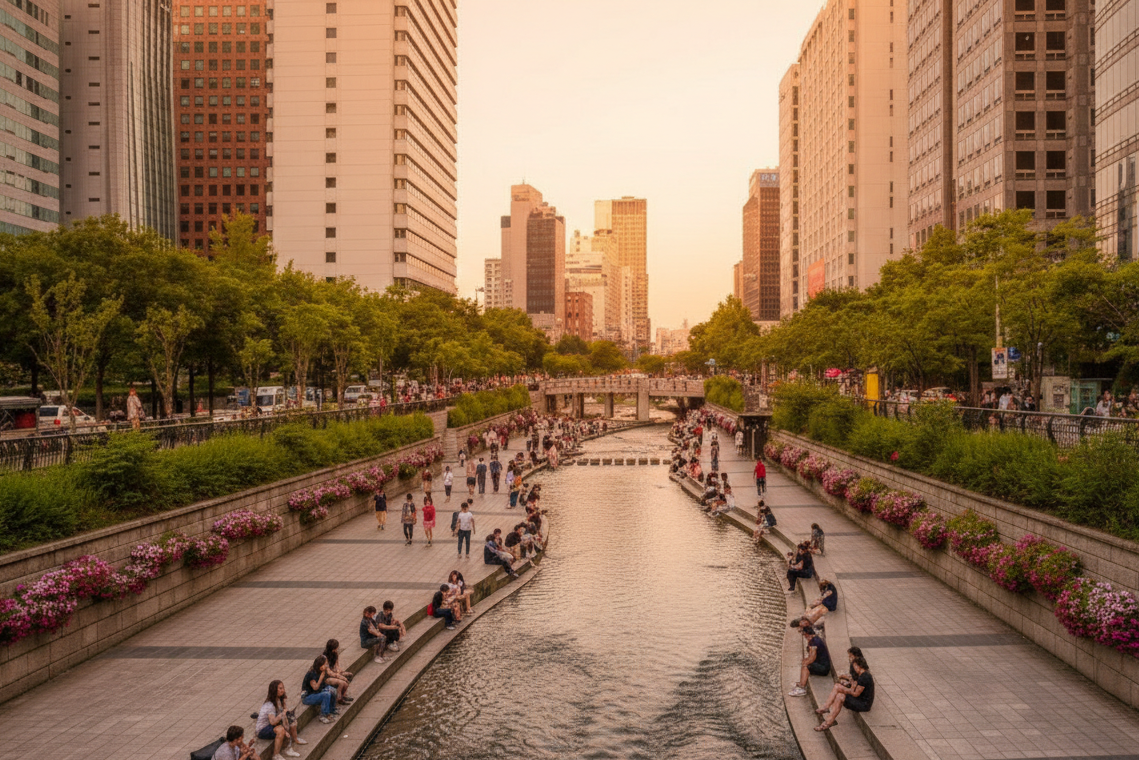
Gangwon Province has the best ski resorts, including Yongpyong, High1, and Phoenix Park. Seoul’s Myeongdong and Cheonggyecheon Stream are beautifully decorated for Christmas. Jeju Island is milder in winter and offers a different atmosphere.
Things to Consider
Some outdoor attractions and hiking trails may be closed or less enjoyable due to the cold. Days are shorter, so you’ll have less daylight for sightseeing. Make sure to pack warm layers and a good winter coat.
Best Time for Specific Activities
Here’s a quick reference based on what you want to do:
| Activity | Best Time |
|---|---|
| 🌸 Cherry blossoms | Early April |
| 🍂 Autumn foliage | Mid-October to early November |
| 🎿 Skiing & snowboarding | December – February |
| 🏖️ Beach trips | July – August |
| 🛍️ City exploration & shopping | Year-round (spring/fall ideal) |
| 💰 Budget travel | March, June, November (off-season) |
| 📸 Photography | April (blossoms), October (foliage) |
| 🍜 Food-focused trips | Year-round (seasonal specialties vary) |
Peak Season vs Off-Season
Understanding Korea’s tourist seasons can help you plan better and save money.
Peak Season
The busiest times are early April (cherry blossoms), October (autumn foliage), and late July to August (summer vacation). During these periods, flights and hotels are more expensive, and popular attractions are crowded.
Off-Season
March, June, and November are considered shoulder or off-season months. The weather is still reasonable, but crowds are thinner and prices drop. If you’re flexible with dates, these months offer great value.
Holidays to Avoid (or Experience)
Korean holidays like Chuseok (September/October) and Seollal (January/February) see massive domestic travel. Many businesses close, and transportation gets extremely busy. However, experiencing these holidays can also be a unique cultural opportunity if you plan carefully.
My Recommendation
If I had to choose one season to visit Korea, it would be fall — without hesitation.
In Korea, autumn is called “천고마비” (cheongomabi), which means “the sky is high and horses grow fat.” It’s an old expression that captures the essence of the season perfectly: crisp air, clear skies, and a sense of abundance.
Fall in Korea is that perfect in-between. The summer heat is gone, but winter’s cold hasn’t arrived yet. The weather is comfortably cool, and the sky turns a deep, brilliant blue that you rarely see during other seasons. It’s the kind of weather that makes you want to be outside all day.
What I love most about Korean autumn is hiking. Mountains like Seoraksan and Bukhansan transform into a sea of red, orange, and yellow as the leaves change color. The trails are busy but peaceful, filled with families and friends enjoying the scenery. And after the hike, there’s nothing better than stopping at a restaurant near the mountain base for pajeon (Korean savory pancake) and sanchae bibimbap (wild vegetable bibimbap). Trust me — food tastes different after a good hike.
During fall, I usually wear shorts with a t-shirt and a light jacket that I can easily take off when the sun warms up. That’s all you need.
Most tourists who visit Korea spend their time in Seoul’s city center — Myeongdong, Hongdae, Gangnam. But if you come in fall, I highly recommend exploring Korea’s mountains and parks. You’ll see a completely different side of the country.
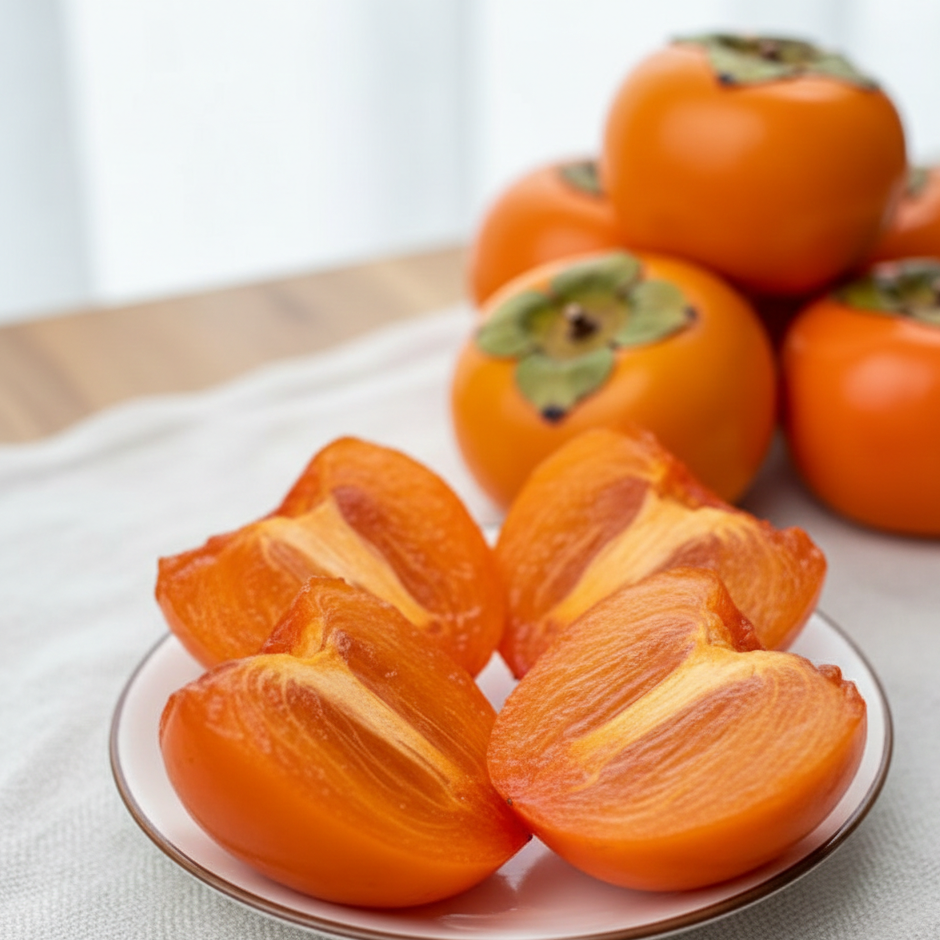
There’s also a special fruit you can only enjoy in autumn: hongsi. Hongsi is a fully ripened persimmon, so soft that you eat it with a spoon. It’s incredibly sweet and almost creamy in texture — one of my favorite treats of the season.
Fall is also kimjang season, when families come together to make kimchi for the winter. When I was young, I remember gathering at my grandmother’s house with all my relatives. The adults would spend the whole day making kimchi, then we would bury the earthenware jars in the ground to ferment slowly through the cold months.
Months later, during Seollal (Lunar New Year) in February, we would dig up those snow-covered jars and open them. The kimchi inside had fermented perfectly — tangy, complex, and delicious. We’d eat it with bossam (boiled pork wraps), and the whole family would sit together, tasting the results of that autumn day. Those memories are still vivid in my mind.
So yes, if you ask me when to visit Korea — come in fall. Experience the mountains, the food, and the season that Koreans treasure the most.
Final Thoughts
There’s no single “best” time to visit Korea. It all depends on what you want to experience.
Come in spring for cherry blossoms and mild weather. Visit in summer for beaches and vibrant energy. Choose fall for perfect weather and stunning foliage. Or embrace winter for snow, skiing, and cozy food.
Each season has its own beauty, its own flavors, and its own memories waiting to be made. Whatever time you choose, Korea will have something special to offer.