
Introduction
In Korea, holidays aren’t just days off from work. They’re about family, food, and traditions passed down through generations.
While Korea celebrates many modern holidays like Christmas and New Year’s Day, the most important holidays follow the lunar calendar — traditions that have been observed for centuries. These are the times when millions of Koreans travel back to their hometowns, gather with relatives, and share meals that take days to prepare.
In this guide, I’ll introduce you to the major Korean holidays, explain what happens during each one, and share why these traditions still matter in modern Korea.
Seollal (설날) — Korean Lunar New Year
Seollal is one of the two biggest holidays in Korea, alongside Chuseok. It falls on the first day of the lunar calendar, usually sometime between late January and mid-February.
What Happens
Seollal is all about family. Koreans travel to their hometowns — often their parents’ or grandparents’ homes — to spend the holiday together. The holiday period typically lasts three days: the day before, the day of, and the day after Seollal.
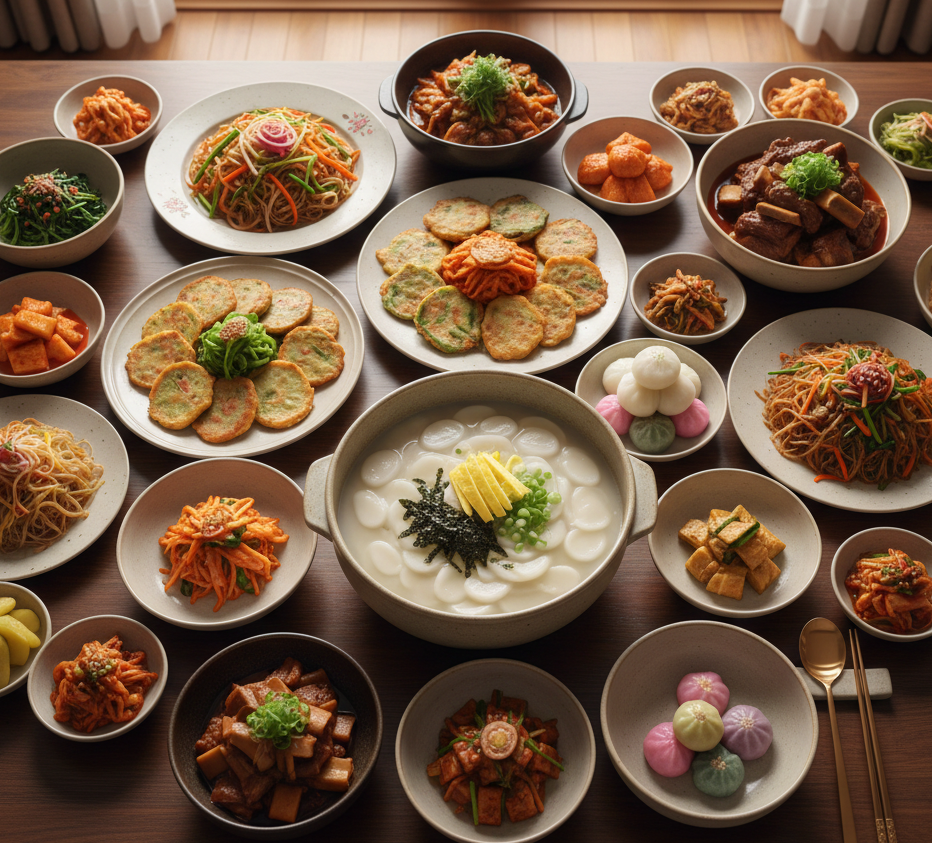
On the morning of Seollal, families perform “charye” (차례), a ritual where they prepare food and pay respects to their ancestors. A table is set with traditional foods, and family members bow to honor those who came before them.
After charye comes “sebae” (세배) — the tradition of bowing to elders. Younger family members kneel and bow deeply to their parents, grandparents, aunts, and uncles. In return, elders give words of blessing for the new year and “sebaetdon” (세뱃돈) — cash gifts in envelopes. For children, this is the highlight of the holiday.
Traditional Food
The signature dish of Seollal is “tteokguk” (떡국) — a soup made with sliced rice cakes in a clear broth. Eating tteokguk symbolizes gaining one more year of age. Koreans sometimes joke, “You haven’t aged a year until you’ve eaten your tteokguk.”
Traditional Games
Families often play traditional games together. “Yutnori” (윷놀이) is the most popular — a board game played with wooden sticks that’s easy to learn but surprisingly competitive. Kite flying and spinning tops are also traditional Seollal activities.
Chuseok (추석) — Korean Thanksgiving
Chuseok falls on the 15th day of the 8th lunar month, usually in September or October. It’s often called “Korean Thanksgiving” because it’s a harvest festival — a time to give thanks for the year’s crops.
What Happens
Like Seollal, Chuseok is a time for family gatherings. Koreans return to their hometowns, perform ancestral rites, and visit the graves of their ancestors to clean the burial sites and pay respects — a practice called “seongmyo” (성묘).
Chuseok is also associated with the full moon. The holiday falls on the night of the harvest moon, and families traditionally gather to admire the bright, round moon together.
Traditional Food
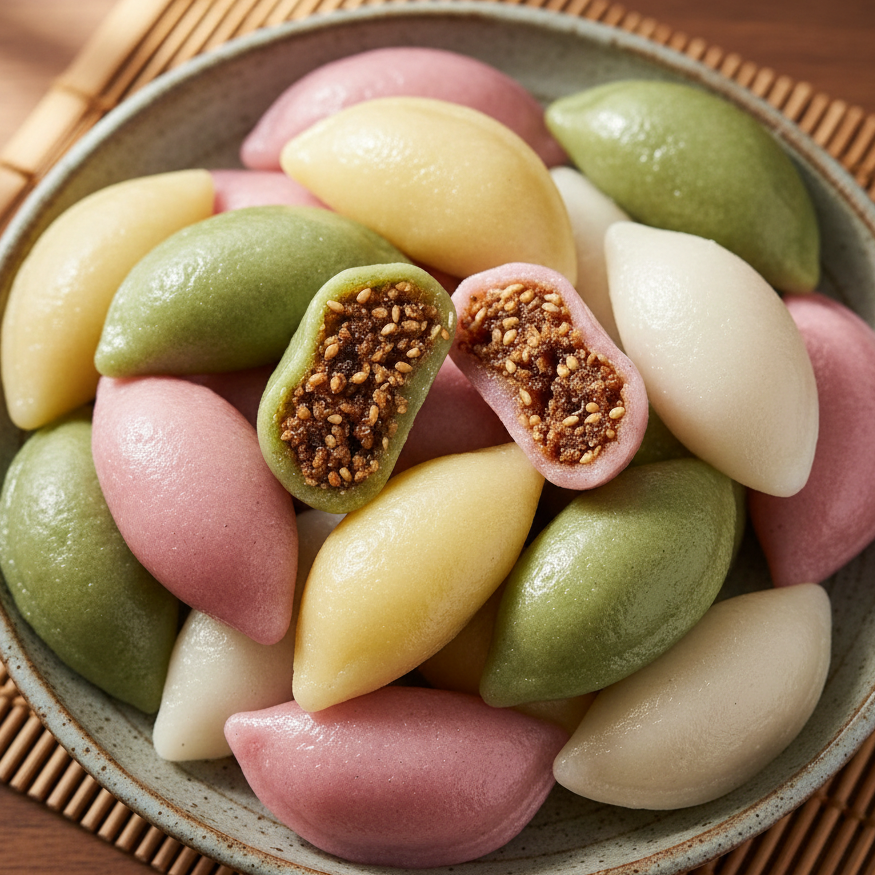
The iconic food of Chuseok is “songpyeon” (송편) — small, half-moon shaped rice cakes filled with sweet sesame, beans, or chestnuts. Families often make songpyeon together, and there’s a saying that if you make beautiful songpyeon, you’ll meet a beautiful spouse or have beautiful children.
Other Chuseok foods include japchae (glass noodles), jeon (savory pancakes), and an abundance of fresh fruits from the autumn harvest.
The Great Migration
Both Seollal and Chuseok trigger what Koreans call the “민족 대이동” — the great migration of the nation. Millions of people travel from cities to their hometowns, causing massive traffic jams on highways. A trip that normally takes two hours might take six or seven. Trains and buses sell out weeks in advance.
Kimjang Season (김장철)
Kimjang isn’t a single-day holiday, but a season — and it’s one of Korea’s most important cultural traditions.
What is Kimjang?
Kimjang is the tradition of making large quantities of kimchi in late autumn (November to December) to last through the winter. Before refrigeration existed, this was essential for survival — families needed enough fermented vegetables to eat during the cold months when fresh produce was scarce.
How It Works
Kimjang is a community event. Families, neighbors, and relatives gather together to wash hundreds of cabbages, prepare the spicy paste, and pack everything into containers. It’s hard work that takes several days, but it’s also a time for bonding and sharing.
Traditionally, the finished kimchi was stored in large earthenware jars called “onggi” (옹기) and buried in the ground to ferment slowly at a consistent temperature. Today, most Koreans use special kimchi refrigerators instead.
Cultural Significance
In 2013, UNESCO recognized kimjang as an Intangible Cultural Heritage of Humanity. While fewer families practice traditional kimjang today — many simply buy kimchi from stores — it remains an important symbol of Korean community and family bonds.
Other Notable Korean Holidays
Jeongwol Daeboreum (정월대보름)
The first full moon of the lunar year, falling on the 15th day of the first month. Koreans eat “ogokbap” (five-grain rice) and crack nuts with their teeth — a tradition called “bureom” that’s believed to prevent skin boils throughout the year. In some regions, people burn large moon-shaped structures made of branches.
Dano (단오)
The 5th day of the 5th lunar month, usually in June. Traditional activities include women washing their hair in water boiled with iris flowers (for good luck and health), ssireum wrestling competitions, and riding swings. The Gangneung Dano Festival is a famous UNESCO-recognized celebration.
Sambok (삼복) — The Hottest Days
Not a single day but three separate days marking the hottest period of summer. Koreans eat “samgyetang” (chicken ginseng soup) on these days — the philosophy being “fight heat with heat” (이열치열). Restaurants serving samgyetang are packed during Sambok.
How Korean Holidays Have Changed
Korean holidays look different today than they did a generation ago.
The Past
Extended families would gather at the eldest son’s home. Women — especially daughters-in-law — would spend days preparing elaborate meals. Ancestral rites were lengthy and formal. Everyone was expected to participate.
The Present
Families are smaller now, and many traditions have been simplified. Some families skip ancestral rites entirely or shorten them significantly. The pressure on women to do all the cooking has become a topic of social debate, and many families now share the work more equally or order food from restaurants.
New Trends
Increasingly, some Koreans use holiday periods to travel abroad instead of visiting family — a practice that would have been unthinkable in previous generations. Others stay home to rest rather than endure the stress of traffic and family obligations.
But Some Things Remain
Despite these changes, the core of Korean holidays remains: family, food, and connection. Even if the rituals are simpler, most Koreans still make the effort to see their parents and relatives during Seollal and Chuseok. The holidays may evolve, but their meaning endures.
Tips for Foreigners
If you’re visiting Korea during a major holiday or get invited to celebrate with a Korean family, here are some things to know.
Travel During Holidays
Korea essentially shuts down during Seollal and Chuseok. Many restaurants and shops close, and tourist areas are either empty or packed depending on the location. Transportation is extremely crowded — flights and trains book up weeks in advance. If possible, avoid traveling during these periods.
If You’re Invited to a Korean Home
Bring a gift — fruit boxes, traditional sweets, or quality food items are safe choices. Greet the elders respectfully. If you’re offered food, accept it graciously. Don’t worry about knowing all the customs — Korean families will appreciate your effort and guide you through.
Holiday Greetings
For Seollal: “새해 복 많이 받으세요” (Saehae bok mani badeuseyo) — “May you receive many blessings in the new year”
For Chuseok: “즐거운 추석 보내세요” (Jeulgeoun Chuseok bonaeseyo) — “Have a happy Chuseok”
My Holiday Memories
When I was young, Seollal was the holiday I looked forward to most.
We would visit both sets of grandparents — my father’s side and my mother’s side — during the holiday period. There was so much to love: playing with cousins, eating delicious food, and best of all, sebae time. Bowing to the adults and receiving crisp bills of sebaetdon made me feel rich, even if I was just a kid.
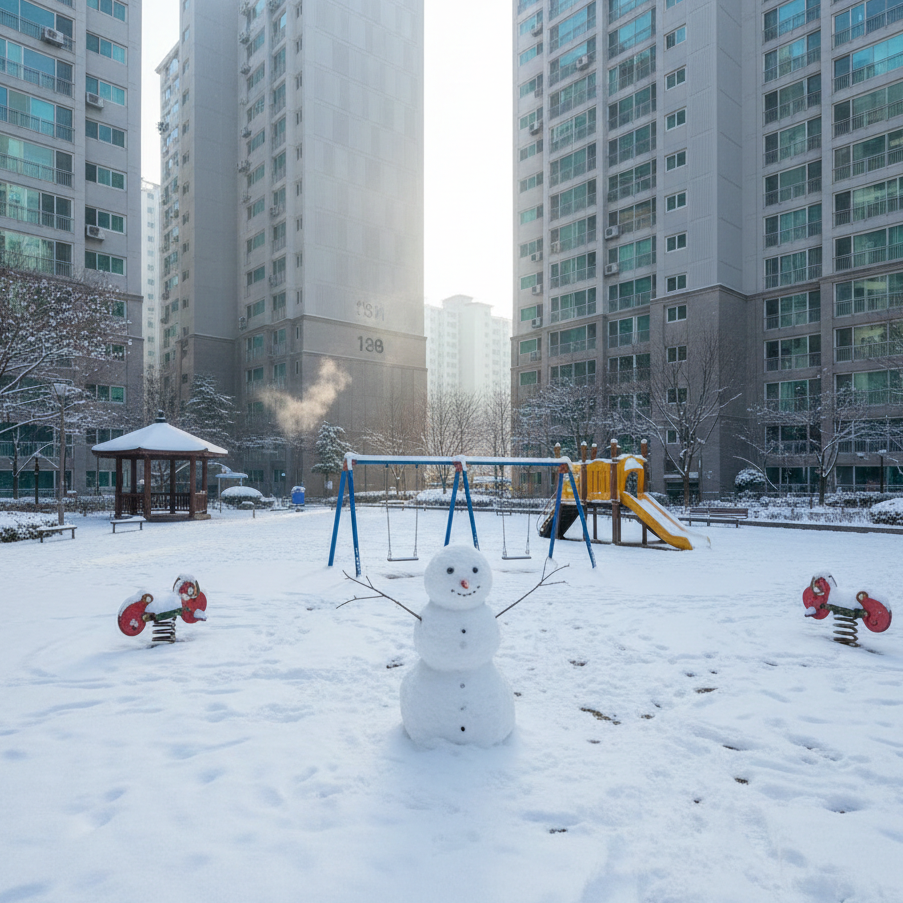
Seollal in Korea falls during winter, so there was often snow. At my paternal grandmother’s house, there was a playground right in front of the building. My cousins and I would run outside, build snowmen, and have snowball fights until we were freezing and exhausted.
Then my youngest aunt would shout from the house: “Kids! Come inside for dinner!”
And we’d all rush back in, red-cheeked and hungry, ready to eat.
My maternal grandmother lived in Chuncheon, Gangwon Province. Back then, it was a 3-4 hour drive from Seoul — these days it’s only about 2 hours thanks to highway expansions. But as a child, that long car ride was part of the adventure.
Along the road, there were always ajummas (older women) selling snacks from small stalls. My favorite part of the trip was stopping to buy roasted corn and gamja-tteok (potato rice cakes). Eating those warm snacks in the car while watching the winter scenery pass by — that’s one of my fondest childhood memories.
I also remember kimjang at my grandmother’s house. Every late autumn, relatives would gather to make kimchi together. The adults would spend the whole day preparing — washing cabbages, mixing the spicy paste, packing everything into jars. Then we’d bury the earthenware pots in the ground to ferment over winter.
Months later, during Seollal, we’d dig up those snow-covered jars and open them. The kimchi inside had fermented perfectly — tangy and delicious. We’d eat it with bossam (boiled pork), and the whole family would sit together, enjoying the fruits of that autumn day’s labor.
Those memories are still vivid: the cold winter air, the warmth of family, the taste of food made with love. That’s what Korean holidays mean to me.
Final Thoughts
Korean holidays are about more than rituals and traditions. They’re about coming together.
In a fast-paced, modern society, these holidays force people to slow down, travel home, and spend time with family. The food takes hours to prepare. The conversations go late into the night. For a few days, nothing matters except being together.
If you ever get the chance to experience a Korean holiday — whether it’s Seollal, Chuseok, or even kimjang season — take it. You’ll see a side of Korean culture that no tourist attraction can show you.