
Introduction
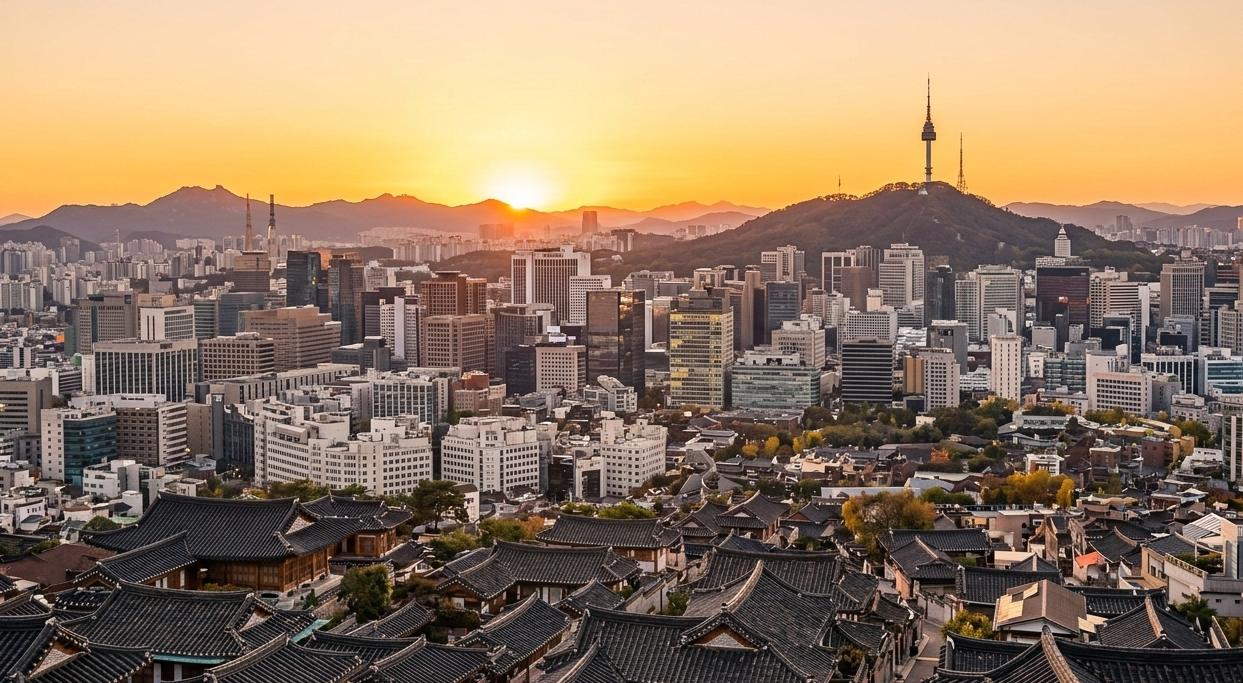
Seoul is a city of contrasts.
Ancient palaces sit next to futuristic skyscrapers. Quiet temple gardens hide behind bustling shopping streets. Traditional markets serve food that’s been made the same way for decades, while trendy cafes reinvent Korean cuisine every season.
For first-time visitors, Seoul can feel overwhelming. There’s so much to see, eat, and experience that knowing where to start isn’t easy.
This guide will walk you through everything you need to know — the best neighborhoods, must-see attractions, essential foods, and practical tips to make your first Seoul trip unforgettable.
Seoul at a Glance
Before diving in, here are the basics.
| Population | ~10 million (25 million in greater Seoul area) |
| Language | Korean (English widely available in tourist areas) |
| Currency | Korean Won (KRW) |
| Time Zone | GMT+9 |
| Best Time to Visit | Spring (April-May) and Fall (September-November) |
Seoul is one of the largest metropolitan areas in the world, and each district has its own distinct personality. You could spend a month here and still discover new places.
Best Neighborhoods to Explore
Seoul is made up of dozens of unique neighborhoods. Here are the ones first-time visitors should prioritize.
Myeongdong (명동)
The heart of Seoul shopping. Myeongdong is packed with K-Beauty stores, fashion boutiques, and street food vendors. It’s touristy, but for good reason — it’s the easiest place to find everything you want in one area. Come here for skincare products, cosmetics, and classic Korean street snacks.
Hongdae (홍대)
Young, loud, and creative. Hongdae is Seoul’s university district, known for indie music, street performances, quirky cafes, and nightlife. If you want to experience Seoul’s youthful energy, this is where to go. The area comes alive after sunset.
Gangnam (강남)
The modern, wealthy side of Seoul. Gangnam is all sleek skyscrapers, upscale restaurants, and designer shopping. K-pop fans might recognize it from the song — and many K-pop entertainment companies are headquartered here.
Itaewon (이태원)
Seoul’s international district. Itaewon has the most diverse food scene in the city — Mexican, Turkish, Indian, American, and more. It’s also the most English-friendly neighborhood, making it comfortable for foreigners.
Bukchon & Samcheong-dong (북촌 & 삼청동)
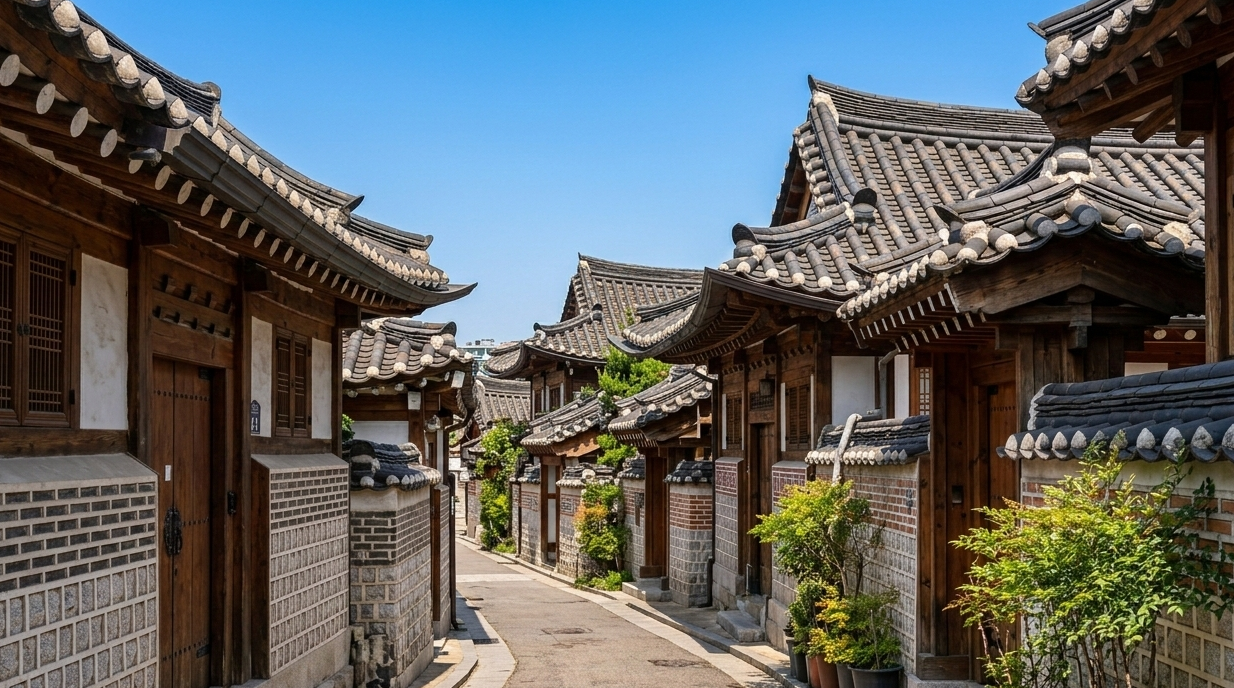
Traditional meets trendy. Bukchon Hanok Village is a preserved neighborhood of traditional Korean houses, perfect for photos and a glimpse of old Seoul. Nearby Samcheong-dong has charming cafes, galleries, and boutiques.
Ikseon-dong (익선동)
A hidden gem. This tiny neighborhood of renovated hanok buildings has become one of Seoul’s hippest spots. Narrow alleys are lined with aesthetic cafes, vintage shops, and restaurants. It’s compact but worth exploring.
Mangwon (망원)
A local favorite. Mangwon Market is smaller than the famous Gwangjang Market, but it has its own charm — cozy, authentic, and full of delicious food. The surrounding streets are filled with pretty cafes, bakeries, and restaurants. It’s less touristy and more residential, giving you a taste of everyday Seoul life.
Must-See Attractions
Seoul has endless attractions, but these are the essentials for first-timers.
Palaces
Gyeongbokgung is the largest and most iconic palace, with stunning architecture and mountain backdrops. Go early morning to avoid crowds, and catch the changing of the guard ceremony. Changdeokgung is a UNESCO World Heritage Site with a beautiful secret garden. Deoksugung is smaller but located in central Seoul, with a famous stone-wall road perfect for evening walks.
Towers & Views
Namsan Tower (N Seoul Tower) offers panoramic views of the entire city. You can hike up or take the cable car. The best time to visit is sunset, when you can see Seoul transform from day to night. Lotte World Tower, at 123 floors, has an observation deck called Seoul Sky with even more dramatic views.
History & Culture
Gwanghwamun Square is the symbolic center of Seoul, with statues of King Sejong and Admiral Yi Sun-sin. The War Memorial of Korea provides important context for understanding Korean history. The National Museum of Korea is free to enter and houses thousands of years of Korean artifacts.
Nature
Don’t miss Seoul’s hiking trails. Bukhansan National Park offers serious hiking just 30 minutes from downtown. For something easier, Inwangsan has beautiful views and historic sites. The Han River parks stretch across the city — perfect for cycling, picnicking, or enjoying chimaek (chicken and beer) by the water.
Markets
Gwangjang Market is famous for bindaetteok (mung bean pancakes) and mayak gimbap. Namdaemun Market is massive, selling everything from clothes to street food. Tongin Market has a unique “dosirak” (lunch box) experience where you buy tokens and fill your own tray. Mangwon Market is smaller but charming, with great food and a local atmosphere.
COEX Mall & Aquarium
Located in Gangnam at Samseong Station, COEX is one of the largest underground shopping malls in the world. Beyond shopping, the COEX Aquarium is a highlight — perfect for families or anyone who wants a break from sightseeing. The mall also has the famous Starfield Library, an Instagram-worthy space with towering bookshelves.
Food You Must Try
Seoul is a food paradise. Here’s what you can’t miss.
Korean BBQ (삼겹살, 갈비)
Grilling meat at your table is a quintessential Korean experience. Samgyeopsal (pork belly) and galbi (marinated beef ribs) are the most popular. Wrap the meat in lettuce with garlic, ssamjang, and sides.
Tteokbokki (떡볶이)
Spicy, chewy rice cakes in red sauce. The ultimate Korean street food. Find it at markets, pojangmacha (street stalls), or bunsik restaurants.
Fried Chicken & Beer (치맥)
Korean fried chicken is crispy, flavorful, and comes in countless varieties. Pair it with cold beer — preferably by the Han River.
Kimchi Jjigae (김치찌개)
A hearty, spicy stew made with fermented kimchi. It’s a staple Korean comfort food, perfect on cold days.
Naengmyeon (냉면)
Cold buckwheat noodles in icy broth or spicy sauce. Refreshing and perfect for summer, but available year-round.
Street Food
Hotteok (sweet pancakes), eomuk (fish cake), gyeran-ppang (egg bread), and tteokbokki are all must-tries from street vendors.
Shopping in Seoul
Seoul is a shopper’s paradise, whether you want luxury brands or budget finds.
Myeongdong — Best for K-Beauty, cosmetics, and mainstream fashion. Brands like Innisfree, Etude House, and Olive Young are everywhere.
Dongdaemun — Multiple massive malls open until 5 AM. Great for wholesale fashion and late-night shopping.
Garosu-gil — Trendy boutiques, designer stores, and upscale cafes in the Gangnam area.
Itaewon/Gyeongnidan-gil — Unique, international items and vintage finds.
Olive Young — Korea’s top health and beauty store. You’ll find one on almost every block. Perfect for K-Beauty products.
Daiso — Korean dollar store with surprisingly high-quality items. Great for souvenirs and everyday essentials.
Getting Around Seoul
Seoul’s public transportation is world-class.
Subway
The easiest way to get around. Seoul’s subway system is extensive, clean, and has English signage everywhere. Download the KakaoMetro app for route planning.
Bus
Buses cover areas the subway doesn’t reach. They’re efficient but slightly more confusing for first-timers. Stick to the subway unless you’re comfortable navigating.
Taxi
Taxis are affordable compared to Western cities. Download KakaoTaxi (Korea’s Uber) to easily book rides. Regular taxis are also easy to flag down.
T-Money Card
Get a T-Money card at any convenience store. It works on all subways, buses, and even some taxis. You can reload it at convenience stores or subway stations.
Walking
Many attractions are within walking distance of each other. Seoul is a very walkable city once you’re in the right neighborhood.
Practical Tips for Visitors
Language
English signage is common in tourist areas, and many young Koreans speak basic English. Learn a few Korean phrases — locals appreciate the effort.
Tipping
Korea has no tipping culture. Don’t tip at restaurants, hotels, or taxis.
WiFi
Free WiFi is available almost everywhere — cafes, subway stations, even some streets. You can also rent a portable WiFi device at the airport.
Payment
Cards are accepted almost everywhere, often preferred over cash. Visa and Mastercard work fine. Bring some cash for traditional markets.
Convenience Stores
Korean convenience stores (CU, GS25, 7-Eleven) are lifesavers. Grab snacks, drinks, phone chargers, and even full meals at any hour.
Last Train
Subway and buses stop running between midnight and 1 AM. Plan accordingly or budget for a taxi if you’re staying out late.
Sample Itineraries
1 Day in Seoul (Highlights)
Morning: Gyeongbokgung Palace → Bukchon Hanok Village → Lunch in Samcheong-dong Afternoon: Insadong → Myeongdong shopping Evening: Namsan Tower sunset → Myeongdong street food
3 Days in Seoul
Day 1: Traditional Seoul — Gyeongbokgung, Bukchon, Ikseon-dong, Gwangjang Market Day 2: Modern Seoul — Gangnam, COEX Aquarium, Han River chimaek at sunset Day 3: Youthful Seoul — Mangwon Market, Hongdae cafes, Hongdae nightlife
5 Days in Seoul
Add: DMZ tour, Namsan hike, Itaewon food crawl, day trip to Bukhansan, baseball game at Jamsil Stadium
My Seoul Story
I’ve explored many corners of Seoul over the years, and one thing is clear: this city is massive.
Each neighborhood has its own completely different vibe. The trendy energy of Hongdae feels nothing like the traditional calm of Bukchon. The international flavors of Itaewon are a world apart from the local markets of Mangwon. That’s what makes Seoul so fascinating — you can experience multiple cities within one city.
One of my personal favorite spots is Mangwon Market. It’s smaller than the famous Gwangjang Market, but that’s part of its charm. It feels more local, more cozy. You can find everything you need — fresh produce, street food, snacks — all in a compact space. And the area around the market is full of beautiful cafes, bakeries, and restaurants worth exploring. If you want to see how everyday Seoulites live and eat, Mangwon is the place.
I also love COEX in Gangnam. It’s a massive underground mall with endless things to do, but my favorite part is the aquarium. It’s a great escape from the city noise, and it’s easy to reach by subway at Samseong Station. Perfect for families or anyone who needs a break from walking.
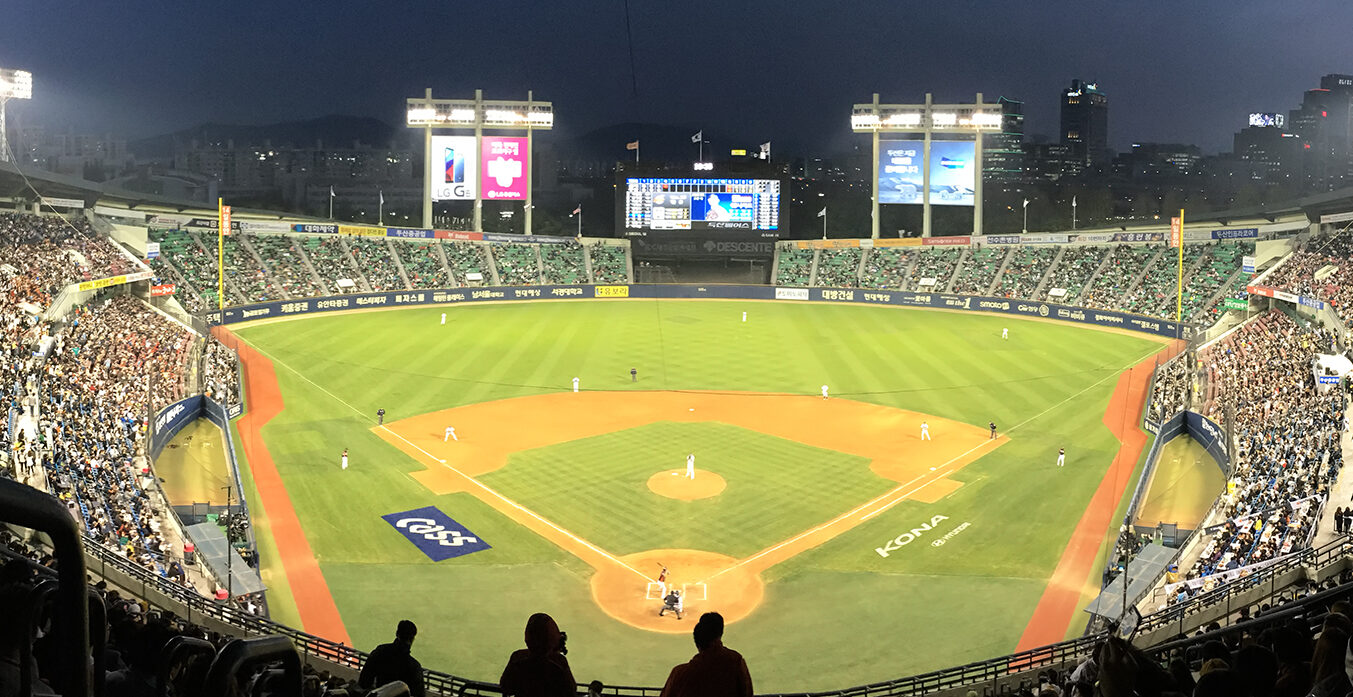
But if I had to recommend just one experience in Seoul, it would be going to a baseball game.
Korea has two baseball stadiums in Seoul, but I always go to Jamsil Stadium, home of the LG Twins. There’s something magical about sitting in the stands with thousands of fans, eating fried chicken and finger foods, drinking a cold beer, and cheering together. The atmosphere is electric — Korean baseball fans really know how to have fun.
If you visit during baseball season (April to October), grab a ticket and experience it for yourself. I recommend sitting in the LG Twins cheering section — it’s the home team zone, and the energy is unmatched.
Seoul has endless things to discover. You could visit ten times and still find something new. That’s the beauty of this city.
Final Thoughts
Seoul is not a city you can fully experience in a few days.
There’s too much to see, too much to eat, too much to explore. But that’s also what makes it exciting. Every corner has something new — a hidden cafe, a delicious restaurant, a view you didn’t expect.
For first-time visitors, focus on the highlights, but leave room to wander. Get lost in a neighborhood. Try food you can’t pronounce. Talk to locals. Seoul rewards curiosity.
And when you leave, you’ll already be planning your next trip back.